



The 4 C’s - Each Diamond is Unique
Each diamond is unique and therefore each stone has its own individual value, which is determined on the basis of four criteria, the "4 C's":
C for "carat": Originally diamonds were weighed with the dried seeds of the carob tree. Their weight is constant: 1/5 gram (0.2 gram) = 1 carat. A round brilliant diamond of one carat has a diameter of about 6.5 mm.
C for "colour": Among the white diamonds, the freedom from any hue gives the highest value. A scale, established according to international rules, allows each diamond to be classified between the finest white and a tinted white.
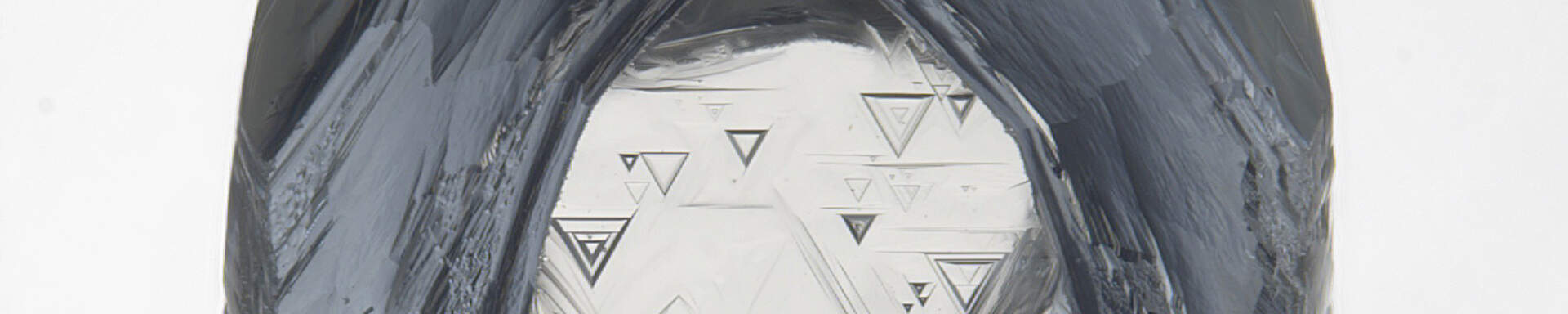
C for "clarity": The diamond often carries traces of its dramatic formation: inclusions. And so a for a scale from "pure" to "piqué III” was created. It allows for an accurate assessment, taking into account the number and the importance of its inclusions.
C for "cut": A strict assessment ensures that the precision, polish and proportions of the diamond have been carried out according to strict criteria.
The rule of the "4 Cs" could be supplemented by a fifth C: the C for "confidence", the trust of the customer in the members of the Swiss Gemmological Society.
The crystalline clarity and dazzling fire of the diamond symbolises the munificence of Creation.




Our sponsors for 2026: